
4
4
4
Developing rowing technique
Developing rowing technique
Developing rowing technique
1
1
1
Help them find balance
Help them find balance
Help them find balance
Being able to maintain balance is one of the most important things for beginners in rowing.
Being able to maintain balance is one of the most important things for beginners in rowing.
Being able to maintain balance is one of the most important things for beginners in rowing.
How to Coach Beginners
How to Coach Beginners
How to Coach Beginners
Being able to maintain balance is one of the most important things for beginners in rowing.
Being able to maintain balance is one of the most important things for beginners in rowing.
Being able to maintain balance is one of the most important things for beginners in rowing.
That's why it's crucial that you as a coach put strong emphasis on this from the start.
That's why it's crucial that you as a coach put strong emphasis on this from the start.
That's why it's crucial that you as a coach put strong emphasis on this from the start.
To create a stable and balanced boat, participants need to learn three things:
To create a stable and balanced boat, participants need to learn three things:
To create a stable and balanced boat, participants need to learn three things:
Participants must understand how to hold their oars so as not to disturb balance when they are not rowing.
Participants must understand how to hold their oars so as not to disturb balance when they are not rowing.
Participants must understand how to hold their oars so as not to disturb balance when they are not rowing.
During the recovery, the oars should be drawn along the water surface at the correct angle.
During the recovery, the oars should be drawn along the water surface at the correct angle.
During the recovery, the oars should be drawn along the water surface at the correct angle.
This means keeping the oars parallel to the water surface and not moving them unnecessarily.
This means keeping the oars parallel to the water surface and not moving them unnecessarily.
This means keeping the oars parallel to the water surface and not moving them unnecessarily.
Not too high in the air. Not too deep in the water.
Not too high in the air. Not too deep in the water.
Not too high in the air. Not too deep in the water.
1. How to maintain balance when someone else is rowing
1. How to maintain balance when someone else is rowing
1. How to maintain balance when someone else is rowing
2. How to maintain balance during the recovery
2. How to maintain balance during the recovery
2. How to maintain balance during the recovery
When the oar is placed in the water, the angle must be correct — otherwise it can affect the entire boat's balance.
When the oar is placed in the water, the angle must be correct — otherwise it can affect the entire boat's balance.
When the oar is placed in the water, the angle must be correct — otherwise it can affect the entire boat's balance.
Teach participants to square the oar correctly and avoid pressing it too deep.
Teach participants to square the oar correctly and avoid pressing it too deep.
Teach participants to square the oar correctly and avoid pressing it too deep.
Repeat this often at the start and let participants practice different balance exercises.
Repeat this often at the start and let participants practice different balance exercises.
Repeat this often at the start and let participants practice different balance exercises.
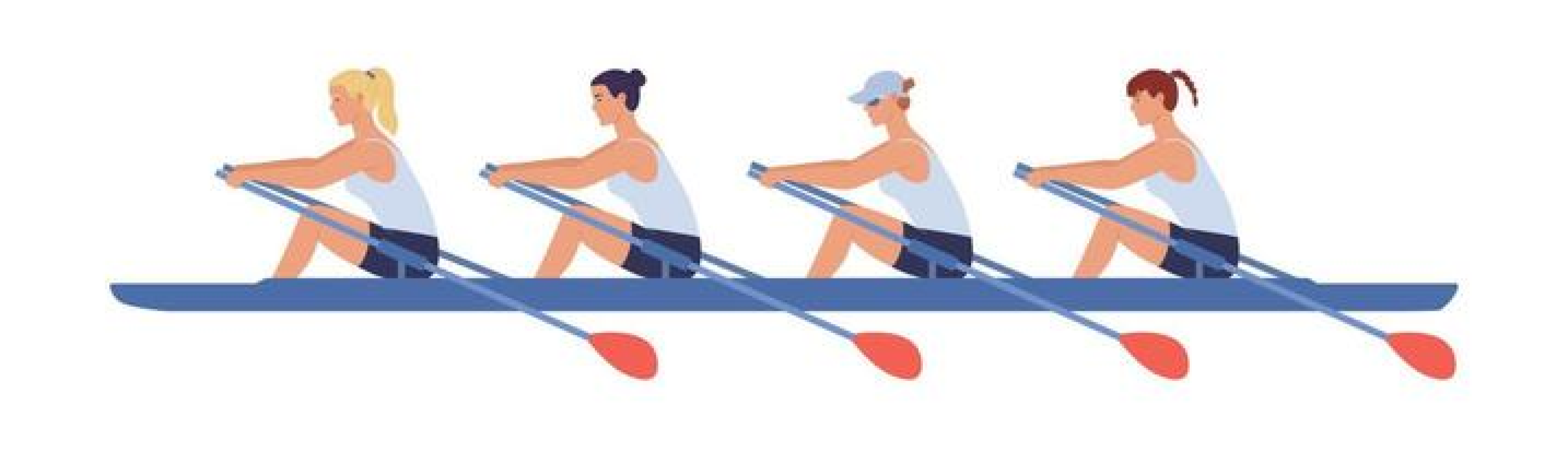
It is crucial that participants learn to row in sync — both in large and small boats.
It is crucial that participants learn to row in sync — both in large and small boats.
It is crucial that participants learn to row in sync — both in large and small boats.
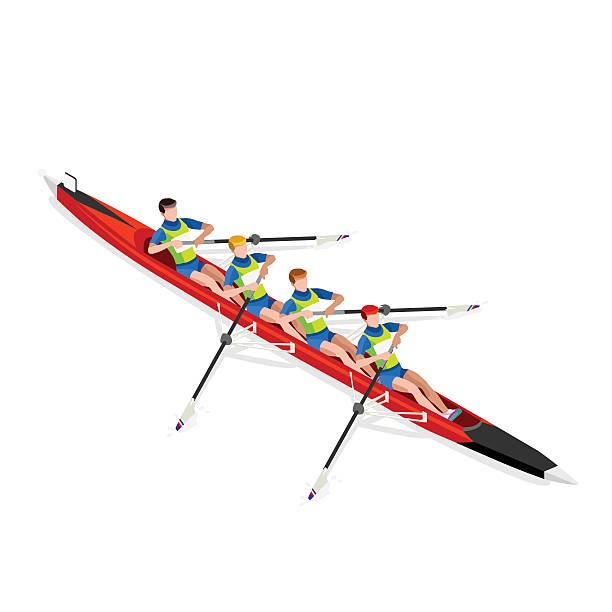
Start by dividing the crew into small groups and letting them row in different setups.
Start by dividing the crew into small groups and letting them row in different setups.
Start by dividing the crew into small groups and letting them row in different setups.
This method works for all boat types — whether it's a double, four, gig, or eight.
This method works for all boat types — whether it's a double, four, gig, or eight.
This method works for all boat types — whether it's a double, four, gig, or eight.
When you begin rowing with the full crew, it's important that you as the coach are heard and give clear commands.
When you begin rowing with the full crew, it's important that you as the coach are heard and give clear commands.
When you begin rowing with the full crew, it's important that you as the coach are heard and give clear commands.
When the boat isn't moving well, it's almost always due to a few common mistakes.
When the boat isn't moving well, it's almost always due to a few common mistakes.
When the boat isn't moving well, it's almost always due to a few common mistakes.
Common mistakes and how to fix them:
Common mistakes and how to fix them:
Common mistakes and how to fix them:
You need to identify and correct them in the right order.
You need to identify and correct them in the right order.
You need to identify and correct them in the right order.
Your job is to set the rhythm, keep track of balance, and ensure everyone has a good experience.
Your job is to set the rhythm, keep track of balance, and ensure everyone has a good experience.
Your job is to set the rhythm, keep track of balance, and ensure everyone has a good experience.
Step 1: Two people row while the others hold balance. This makes the boat stable and allows those rowing to focus on technique.
Step 1: Two people row while the others hold balance. This makes the boat stable and allows those rowing to focus on technique.
Step 1: Two people row while the others hold balance. This makes the boat stable and allows those rowing to focus on technique.
Step 2: Switch groups often so everyone gets to try both rowing and balancing. That way, no one gets tired of only holding balance.
Step 2: Switch groups often so everyone gets to try both rowing and balancing. That way, no one gets tired of only holding balance.
Step 2: Switch groups often so everyone gets to try both rowing and balancing. That way, no one gets tired of only holding balance.
Step 3: When it starts working better, move on to three people rowing and one balancing.
Step 3: When it starts working better, move on to three people rowing and one balancing.
Step 3: When it starts working better, move on to three people rowing and one balancing.
Step 4: The fourth person also starts rowing — the whole boat rows together.
Step 4: The fourth person also starts rowing — the whole boat rows together.
Step 4: The fourth person also starts rowing — the whole boat rows together.
Step-by-step — learning to row together:
Step-by-step — learning to row together:
Step-by-step — learning to row together:
Good balance in the boat makes the whole session more effective and more fun for everyone.
Good balance in the boat makes the whole session more effective and more fun for everyone.
Good balance in the boat makes the whole session more effective and more fun for everyone.
3. How to maintain balance when the oar is in the water
3. How to maintain balance when the oar is in the water
3. How to maintain balance when the oar is in the water
If participants don't have balance, they won't be able to focus on anything else.
If participants don't have balance, they won't be able to focus on anything else.
If participants don't have balance, they won't be able to focus on anything else.

2
2
2
Get them to row well together
Get them to row well together
Get them to row well together
3
3
3
Help them make the boat move well together
Help them make the boat move well together
Help them make the boat move well together




The boat's balance is off because participants lift the oars too high in the air.
The boat's balance is off because participants lift the oars too high in the air.
The boat's balance is off because participants lift the oars too high in the air.
If one person puts the oar in at the wrong angle, it can affect the entire boat's balance.
If one person puts the oar in at the wrong angle, it can affect the entire boat's balance.
If one person puts the oar in at the wrong angle, it can affect the entire boat's balance.
Those holding balance must actively adjust their oars.
Those holding balance must actively adjust their oars.
Those holding balance must actively adjust their oars.
Make sure they draw the oars along the water on the way back to the catch.
Make sure they draw the oars along the water on the way back to the catch.
Make sure they draw the oars along the water on the way back to the catch.
Point this out right away and let the person practice squaring the oar correctly before rowing on.
Point this out right away and let the person practice squaring the oar correctly before rowing on.
Point this out right away and let the person practice squaring the oar correctly before rowing on.
It's not enough to hold them still above the water — they need to keep a small angle so the oar doesn't catch under the water.
It's not enough to hold them still above the water — they need to keep a small angle so the oar doesn't catch under the water.
It's not enough to hold them still above the water — they need to keep a small angle so the oar doesn't catch under the water.
1. Poor balance during recovery
1. Poor balance during recovery
1. Poor balance during recovery
2. Incorrect oar angle at the catch
2. Incorrect oar angle at the catch
2. Incorrect oar angle at the catch
If oars get caught in the water at the end of the stroke, stop the boat.
If oars get caught in the water at the end of the stroke, stop the boat.
If oars get caught in the water at the end of the stroke, stop the boat.
Let participants practice "tapping down" drills — only practicing quickly lifting oars out of the water.
Let participants practice "tapping down" drills — only practicing quickly lifting oars out of the water.
Let participants practice "tapping down" drills — only practicing quickly lifting oars out of the water.
5. Oars getting stuck at the finish
5. Oars getting stuck at the finish
5. Oars getting stuck at the finish
If someone sits crooked or leans too much to one side, it can disturb the boat's balance.
If someone sits crooked or leans too much to one side, it can disturb the boat's balance.
If someone sits crooked or leans too much to one side, it can disturb the boat's balance.
These corrections make up 80% of the coaching in this course.
These corrections make up 80% of the coaching in this course.
These corrections make up 80% of the coaching in this course.
If the boat isn't stable, no one can row properly — so this is always the first priority.
If the boat isn't stable, no one can row properly — so this is always the first priority.
If the boat isn't stable, no one can row properly — so this is always the first priority.
When the boat is stable and participants row in sync, it's time to start focusing on technique.
When the boat is stable and participants row in sync, it's time to start focusing on technique.
When the boat is stable and participants row in sync, it's time to start focusing on technique.
Proper technique makes rowing more efficient, reduces the risk of injury, and improves endurance.
Proper technique makes rowing more efficient, reduces the risk of injury, and improves endurance.
Proper technique makes rowing more efficient, reduces the risk of injury, and improves endurance.
Remind them to sit upright and stable.
Remind them to sit upright and stable.
Remind them to sit upright and stable.
6. Slouching and leaning
6. Slouching and leaning
6. Slouching and leaning
Another common reason the boat feels unstable is that participants row out of sync.
Another common reason the boat feels unstable is that participants row out of sync.
Another common reason the boat feels unstable is that participants row out of sync.
To fix this — control the rhythm by giving clear commands from the cox's seat or the coach boat.
To fix this — control the rhythm by giving clear commands from the cox's seat or the coach boat.
To fix this — control the rhythm by giving clear commands from the cox's seat or the coach boat.
Do exercises such as pausing at the finish so everyone learns to maintain the same rhythm.
Do exercises such as pausing at the finish so everyone learns to maintain the same rhythm.
Do exercises such as pausing at the finish so everyone learns to maintain the same rhythm.
4. Rowing out of sync
4. Rowing out of sync
4. Rowing out of sync
3. Balance issues when holding oars still
3. Balance issues when holding oars still
3. Balance issues when holding oars still


The first step is to ensure participants perform the drive in the right order.
The first step is to ensure participants perform the drive in the right order.
The first step is to ensure participants perform the drive in the right order.
A common mistake for beginners is using the upper body too early or pulling with the arms too soon.
A common mistake for beginners is using the upper body too early or pulling with the arms too soon.
A common mistake for beginners is using the upper body too early or pulling with the arms too soon.
This leads to inefficient strokes and potential injuries.
This leads to inefficient strokes and potential injuries.
This leads to inefficient strokes and potential injuries.
A) Correct movement sequence during the drive
A) Correct movement sequence during the drive
A) Correct movement sequence during the drive
A relaxed rowing style is crucial to avoid unnecessary effort and injuries.
A relaxed rowing style is crucial to avoid unnecessary effort and injuries.
A relaxed rowing style is crucial to avoid unnecessary effort and injuries.
When participants tense up, inefficient movements are created — causing pain and fatigue faster than necessary.
When participants tense up, inefficient movements are created — causing pain and fatigue faster than necessary.
When participants tense up, inefficient movements are created — causing pain and fatigue faster than necessary.
B) Relaxed and efficient rowing
B) Relaxed and efficient rowing
B) Relaxed and efficient rowing
Once the basics are in place, it's time to fine-tune details.
Once the basics are in place, it's time to fine-tune details.
Once the basics are in place, it's time to fine-tune details.
Creating an even rhythm. Minimizing unnecessary movements.
Creating an even rhythm. Minimizing unnecessary movements.
Creating an even rhythm. Minimizing unnecessary movements.
When coaching from a coach boat, give clear feedback on:
When coaching from a coach boat, give clear feedback on:
When coaching from a coach boat, give clear feedback on:
Posture. Oar work. How they row together as a unit.
Posture. Oar work. How they row together as a unit.
Posture. Oar work. How they row together as a unit.
You must quickly observe problems and give short, clear instructions.
You must quickly observe problems and give short, clear instructions.
You must quickly observe problems and give short, clear instructions.
When sitting as cox, you should:
When sitting as cox, you should:
When sitting as cox, you should:
Set the crew's rhythm so they row in perfect sync.
Set the crew's rhythm so they row in perfect sync.
Set the crew's rhythm so they row in perfect sync.
Keep track of the boat's balance.
Keep track of the boat's balance.
Keep track of the boat's balance.
Ensure the oars go to the right depth in the water.
Ensure the oars go to the right depth in the water.
Ensure the oars go to the right depth in the water.
Make sure participants keep the correct grip on the oars.
Make sure participants keep the correct grip on the oars.
Make sure participants keep the correct grip on the oars.
These are things that are harder to coach from the coach boat — so be extra clear in your instructions.
These are things that are harder to coach from the coach boat — so be extra clear in your instructions.
These are things that are harder to coach from the coach boat — so be extra clear in your instructions.
In the boat — be direct and clear.
In the boat — be direct and clear.
In the boat — be direct and clear.
"Martin, make sure to draw the oars along the water when you row to keep balance. Can you show me how you do that?"
"Martin, make sure to draw the oars along the water when you row to keep balance. Can you show me how you do that?"
"Martin, make sure to draw the oars along the water when you row to keep balance. Can you show me how you do that?"
On land — be more reflective and gentle.
On land — be more reflective and gentle.
On land — be more reflective and gentle.
"As we said earlier, it's important to draw the oars along the water. I pointed it out to Martin, but it actually applied to everyone. I thought you all did much better at the end!"
"As we said earlier, it's important to draw the oars along the water. I pointed it out to Martin, but it actually applied to everyone. I thought you all did much better at the end!"
"As we said earlier, it's important to draw the oars along the water. I pointed it out to Martin, but it actually applied to everyone. I thought you all did much better at the end!"
By adjusting your feedback style, you create a positive and constructive environment where participants feel motivated to keep rowing.
By adjusting your feedback style, you create a positive and constructive environment where participants feel motivated to keep rowing.
By adjusting your feedback style, you create a positive and constructive environment where participants feel motivated to keep rowing.
When it comes to indoor training, it's important to create a positive attitude — even though we know most would rather be out on the water.
When it comes to indoor training, it's important to create a positive attitude — even though we know most would rather be out on the water.
When it comes to indoor training, it's important to create a positive attitude — even though we know most would rather be out on the water.
To keep motivation high — show energy and enthusiasm.
To keep motivation high — show energy and enthusiasm.
To keep motivation high — show energy and enthusiasm.
Emphasize that indoor training is a fantastic opportunity to build strength, endurance, and technique.
Emphasize that indoor training is a fantastic opportunity to build strength, endurance, and technique.
Emphasize that indoor training is a fantastic opportunity to build strength, endurance, and technique.
When participants feel they've pushed themselves and made progress, they leave with pride and satisfaction.
When participants feel they've pushed themselves and made progress, they leave with pride and satisfaction.
When participants feel they've pushed themselves and made progress, they leave with pride and satisfaction.
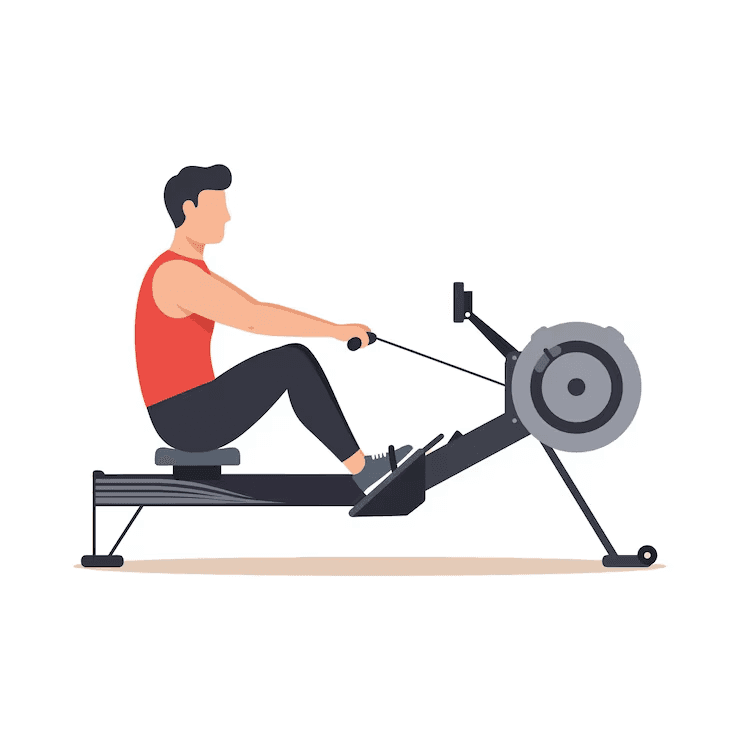
During indoor training, rowing machine technique is a central part.
During indoor training, rowing machine technique is a central part.
During indoor training, rowing machine technique is a central part.
Give participants clear technique tips and guide them through the correct movement pattern.
Give participants clear technique tips and guide them through the correct movement pattern.
Give participants clear technique tips and guide them through the correct movement pattern.
Focus on building a solid foundation:
Focus on building a solid foundation:
Focus on building a solid foundation:
Strong posture. Efficient drive sequence. Steady rhythm.
Strong posture. Efficient drive sequence. Steady rhythm.
Strong posture. Efficient drive sequence. Steady rhythm.
A well-structured, technique-focused session ensures participants feel challenged and see real improvement.
A well-structured, technique-focused session ensures participants feel challenged and see real improvement.
A well-structured, technique-focused session ensures participants feel challenged and see real improvement.
After going through technique at the start of the session, it's time to raise the energy to the maximum.
After going through technique at the start of the session, it's time to raise the energy to the maximum.
After going through technique at the start of the session, it's time to raise the energy to the maximum.
Once participants have the movement down and understand the basics — go into full motivation mode.
Once participants have the movement down and understand the basics — go into full motivation mode.
Once participants have the movement down and understand the basics — go into full motivation mode.
Start cheering them on. Shout encouraging comments. Create a sense of competition.
Start cheering them on. Shout encouraging comments. Create a sense of competition.
Start cheering them on. Shout encouraging comments. Create a sense of competition.
Indoor sessions are where participants should completely exhaust themselves — that's where they feel the biggest improvement and leave proud.
Indoor sessions are where participants should completely exhaust themselves — that's where they feel the biggest improvement and leave proud.
Indoor sessions are where participants should completely exhaust themselves — that's where they feel the biggest improvement and leave proud.
And that's exactly what makes them fall in love with the training — and want to continue.
And that's exactly what makes them fall in love with the training — and want to continue.
And that's exactly what makes them fall in love with the training — and want to continue.
The more energy you show as a coach, the more they will give.
The more energy you show as a coach, the more they will give.
The more energy you show as a coach, the more they will give.
The goal is for them to really push themselves and feel like they gave everything by the end of the session.
The goal is for them to really push themselves and feel like they gave everything by the end of the session.
The goal is for them to really push themselves and feel like they gave everything by the end of the session.
Improving rowing machine technique not only makes indoor sessions more effective — it also makes the transition to rowing on the water much easier.
Improving rowing machine technique not only makes indoor sessions more effective — it also makes the transition to rowing on the water much easier.
Improving rowing machine technique not only makes indoor sessions more effective — it also makes the transition to rowing on the water much easier.
Often more than they expected.
Often more than they expected.
Often more than they expected.
The truth is — even if many prefer rowing outdoors, they appreciate a well-run session where they can really push themselves.
The truth is — even if many prefer rowing outdoors, they appreciate a well-run session where they can really push themselves.
The truth is — even if many prefer rowing outdoors, they appreciate a well-run session where they can really push themselves.
INDOOR SESSIONS
INDOOR SESSIONS
INDOOR SESSIONS
But remember — monitoring other boats and safety is really your most important job when sitting in the coach boat.
But remember — monitoring other boats and safety is really your most important job when sitting in the coach boat.
But remember — monitoring other boats and safety is really your most important job when sitting in the coach boat.
D) Timing and smoothness in transitions
D) Timing and smoothness in transitions
D) Timing and smoothness in transitions
Squaring the oar at the right moment is key to a smooth and efficient recovery.
Squaring the oar at the right moment is key to a smooth and efficient recovery.
Squaring the oar at the right moment is key to a smooth and efficient recovery.
Beginners often either square too little — causing the oar to go too deep and upsetting balance.
Beginners often either square too little — causing the oar to go too deep and upsetting balance.
Beginners often either square too little — causing the oar to go too deep and upsetting balance.
Or too much — causing shallow catches and steering issues.
Or too much — causing shallow catches and steering issues.
Or too much — causing shallow catches and steering issues.
C) Squaring and feathering the oars at the right time
C) Squaring and feathering the oars at the right time
C) Squaring and feathering the oars at the right time
5
5
5
Coaching from the coach boat
Coaching from the coach boat
Coaching from the coach boat
6
6
6
Coaching as a cox
Coaching as a cox
Coaching as a cox
7
7
7
Giving feedback and reflection in the right way
Giving feedback and reflection in the right way
Giving feedback and reflection in the right way
8
8
8
How to motivate participants
How to motivate participants
How to motivate participants



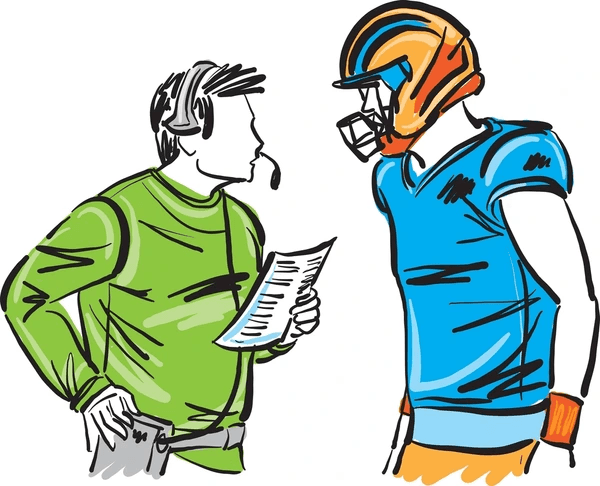


9
9
9
What to focus on
What to focus on
What to focus on
10
10
10
Raise the energy
Raise the energy
Raise the energy


If you’re new to coaching, this will give you the knowledge you need to feel confident, what beginners typically struggle with, how to guide them, and what to focus on depending on whether you’re in a launch or coxing a boat.
If you’re new to coaching, this will give you the knowledge you need to feel confident, what beginners typically struggle with, how to guide them, and what to focus on depending on whether you’re in a launch or coxing a boat.
If you’re new to coaching, this will give you the knowledge you need to feel confident, what beginners typically struggle with, how to guide them, and what to focus on depending on whether you’re in a launch or coxing a boat.
This chapter will be a bit longer than usual, as we’ll cover the key fundamentals of coaching beginners both indoor and outdoor.
This chapter will be a bit longer than usual, as we’ll cover the key fundamentals of coaching beginners both indoor and outdoor.
This chapter will be a bit longer than usual, as we’ll cover the key fundamentals of coaching beginners both indoor and outdoor.


If you’ve coached before, much of this will be familiar, but it’s a great opportunity to refresh the basics.
If you’ve coached before, much of this will be familiar, but it’s a great opportunity to refresh the basics.
If you’ve coached before, much of this will be familiar, but it’s a great opportunity to refresh the basics.



If this is your first time coaching, we strongly recommend watching this carefully and even watching it twice, as it really outlines everything you need to know about coaching beginners.
If this is your first time coaching, we strongly recommend watching this carefully and even watching it twice, as it really outlines everything you need to know about coaching beginners.
If this is your first time coaching, we strongly recommend watching this carefully and even watching it twice, as it really outlines everything you need to know about coaching beginners.