1
1
1
Preparations
Preparations
Preparations
Doing so sets a solid foundation for the training.
Doing so sets a solid foundation for the training.
Doing so sets a solid foundation for the training.
Remember, the course participants are there to learn rowing quickly and have other things to do afterward.
Remember, the course participants are there to learn rowing quickly and have other things to do afterward.
Remember, the course participants are there to learn rowing quickly and have other things to do afterward.
The same applies to you, you want to make it as easy as possible for yourselves so that you only need to spend one hour per session with the participants.
The same applies to you, you want to make it as easy as possible for yourselves so that you only need to spend one hour per session with the participants.
The same applies to you, you want to make it as easy as possible for yourselves so that you only need to spend one hour per session with the participants.
By being on-site 30 minutes early, you can prepare everything so the training itself only takes one hour per group.
By being on-site 30 minutes early, you can prepare everything so the training itself only takes one hour per group.
By being on-site 30 minutes early, you can prepare everything so the training itself only takes one hour per group.
When you arrive at the course area, it's time to decide whether rowing is possible.
When you arrive at the course area, it's time to decide whether rowing is possible.
When you arrive at the course area, it's time to decide whether rowing is possible.
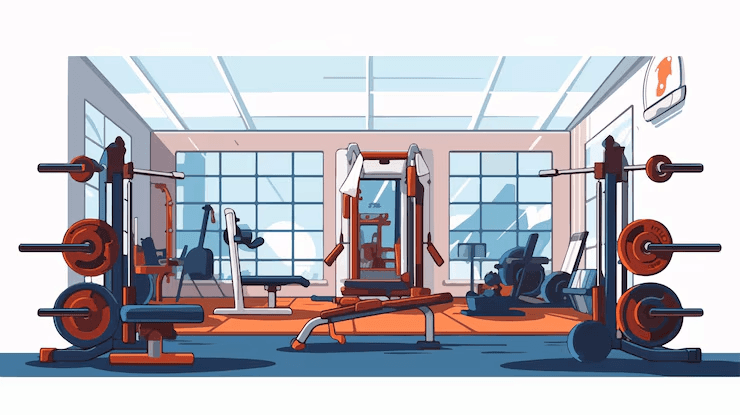
IF IT'S NOT ROWING WEATHER — INDOOR TRAINING
IF IT'S NOT ROWING WEATHER — INDOOR TRAINING
IF IT'S NOT ROWING WEATHER — INDOOR TRAINING
Indoor training is about pushing participants and giving as much technical analysis as possible, so they feel the session is valuable and stay motivated.
Indoor training is about pushing participants and giving as much technical analysis as possible, so they feel the session is valuable and stay motivated.
Indoor training is about pushing participants and giving as much technical analysis as possible, so they feel the session is valuable and stay motivated.
The same principles apply: be well prepared, welcome participants properly, and carry out the session in a structured way.
The same principles apply: be well prepared, welcome participants properly, and carry out the session in a structured way.
The same principles apply: be well prepared, welcome participants properly, and carry out the session in a structured way.
Set up the training stations. Ensure each coach is responsible for one station.
Set up the training stations. Ensure each coach is responsible for one station.
Set up the training stations. Ensure each coach is responsible for one station.
Prepare instruction sheets and put on music.
Prepare instruction sheets and put on music.
Prepare instruction sheets and put on music.
Run the warm-up as usual, then choose one of the prepared sessions and carry it out.
Run the warm-up as usual, then choose one of the prepared sessions and carry it out.
Run the warm-up as usual, then choose one of the prepared sessions and carry it out.
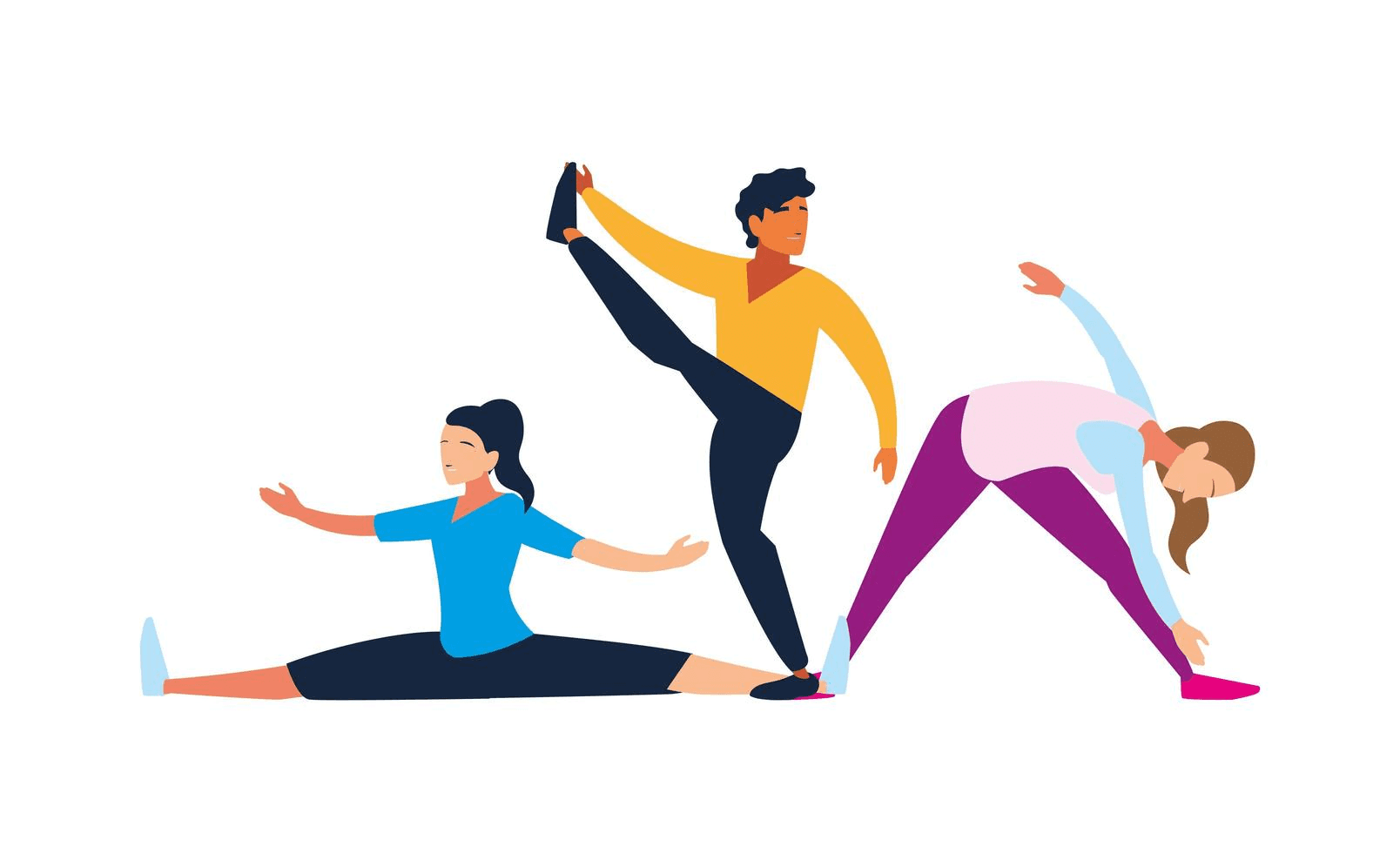
Finish with stretching and thank the participants for the day.
Finish with stretching and thank the participants for the day.
Finish with stretching and thank the participants for the day.
IF IT'S ROWING WEATHER — PREPARE FOR ON WATER SESSION
IF IT'S ROWING WEATHER — PREPARE FOR ON WATER SESSION
IF IT'S ROWING WEATHER — PREPARE FOR ON WATER SESSION
The goal is to have as many boats as possible ready in the water before the session starts, so participants can warm up and then get straight into the boats.
The goal is to have as many boats as possible ready in the water before the session starts, so participants can warm up and then get straight into the boats.
The goal is to have as many boats as possible ready in the water before the session starts, so participants can warm up and then get straight into the boats.
Start by carrying down all the oars and rolling out as many boats as possible before participants arrive.
Start by carrying down all the oars and rolling out as many boats as possible before participants arrive.
Start by carrying down all the oars and rolling out as many boats as possible before participants arrive.
The Head Coach is responsible for distributing crews — ideally done earlier in the day, but no later than 30 minutes before the session.
The Head Coach is responsible for distributing crews — ideally done earlier in the day, but no later than 30 minutes before the session.
The Head Coach is responsible for distributing crews — ideally done earlier in the day, but no later than 30 minutes before the session.
WELCOMING PARTICIPANTS
WELCOMING PARTICIPANTS
WELCOMING PARTICIPANTS
When participants start arriving, be friendly and greet each one.
When participants start arriving, be friendly and greet each one.
When participants start arriving, be friendly and greet each one.
When participants start arriving, be friendly and greet each one.
When participants start arriving, be friendly and greet each one.
When participants start arriving, be friendly and greet each one.
To lift heavier boats, get help from participants who are already there.
To lift heavier boats, get help from participants who are already there.
To lift heavier boats, get help from participants who are already there.
The goal is for the docks to be full of boats before training starts and for all oars to be in the right place.
The goal is for the docks to be full of boats before training starts and for all oars to be in the right place.
The goal is for the docks to be full of boats before training starts and for all oars to be in the right place.
STARTING THE SESSION
STARTING THE SESSION
STARTING THE SESSION
When the session time starts, begin with the warm-up.
When the session time starts, begin with the warm-up.
When the session time starts, begin with the warm-up.
During the warm-up, be fun and relaxed.
During the warm-up, be fun and relaxed.
During the warm-up, be fun and relaxed.
One coach is responsible for the warm-up, which always follows the same routine:
One coach is responsible for the warm-up, which always follows the same routine:
One coach is responsible for the warm-up, which always follows the same routine:
Shoulder rotations. 10 squats. Back rotations in squat position. Olympic mobility drills. Hip swings.
Shoulder rotations. 10 squats. Back rotations in squat position. Olympic mobility drills. Hip swings.
Shoulder rotations. 10 squats. Back rotations in squat position. Olympic mobility drills. Hip swings.
DIVIDING INTO CREWS
DIVIDING INTO CREWS
DIVIDING INTO CREWS
When the warm-up is finished, divide participants into crews.
When the warm-up is finished, divide participants into crews.
When the warm-up is finished, divide participants into crews.
For example — clap for everyone during team assignment. It reduces awkwardness and makes it more enjoyable.
For example — clap for everyone during team assignment. It reduces awkwardness and makes it more enjoyable.
For example — clap for everyone during team assignment. It reduces awkwardness and makes it more enjoyable.
When the warm-up is done and participants are divided, it's important to be flexible and quickly adjust boats if someone is absent or if there is an extra person.
When the warm-up is done and participants are divided, it's important to be flexible and quickly adjust boats if someone is absent or if there is an extra person.
When the warm-up is done and participants are divided, it's important to be flexible and quickly adjust boats if someone is absent or if there is an extra person.
If someone is missing in a boat, it's fine to row a 4x with three rowers.
If someone is missing in a boat, it's fine to row a 4x with three rowers.
If someone is missing in a boat, it's fine to row a 4x with three rowers.
If there is an extra participant, a coach can join in a boat instead of letting someone row alone.
If there is an extra participant, a coach can join in a boat instead of letting someone row alone.
If there is an extra participant, a coach can join in a boat instead of letting someone row alone.
Avoid standing around thinking for ten minutes in front of participants — it gives an unprofessional impression and can create frustration.
Avoid standing around thinking for ten minutes in front of participants — it gives an unprofessional impression and can create frustration.
Avoid standing around thinking for ten minutes in front of participants — it gives an unprofessional impression and can create frustration.
Expect that it is rarely the exact people planned who actually show up. The person responsible for roll call must be quick to adjust and make sure everyone has a boat.
Expect that it is rarely the exact people planned who actually show up. The person responsible for roll call must be quick to adjust and make sure everyone has a boat.
Expect that it is rarely the exact people planned who actually show up. The person responsible for roll call must be quick to adjust and make sure everyone has a boat.
After participants are divided, it's up to each coach to take care of their group in the best way.
After participants are divided, it's up to each coach to take care of their group in the best way.
After participants are divided, it's up to each coach to take care of their group in the best way.
Explain what applies for the boat — whether they row two and two at first, whether they need to keep their own course, and other important details.
Explain what applies for the boat — whether they row two and two at first, whether they need to keep their own course, and other important details.
Explain what applies for the boat — whether they row two and two at first, whether they need to keep their own course, and other important details.
Depending on the boat type, decide how the crew should sit. Make sure the better rowers sit stroke.
Depending on the boat type, decide how the crew should sit. Make sure the better rowers sit stroke.
Depending on the boat type, decide how the crew should sit. Make sure the better rowers sit stroke.
Help participants quickly adjust foot stretchers at the dock. The faster this goes, the better.
Help participants quickly adjust foot stretchers at the dock. The faster this goes, the better.
Help participants quickly adjust foot stretchers at the dock. The faster this goes, the better.
Go through the three golden rules for safety and effective rowing:
Go through the three golden rules for safety and effective rowing:
Go through the three golden rules for safety and effective rowing:
Start the session by letting some row while others hold balance until you've left the dock area and start getting the motion right.
Start the session by letting some row while others hold balance until you've left the dock area and start getting the motion right.
Start the session by letting some row while others hold balance until you've left the dock area and start getting the motion right.
Make sure everyone rows as soon as possible by getting the boat stable.
Make sure everyone rows as soon as possible by getting the boat stable.
Make sure everyone rows as soon as possible by getting the boat stable.
Do this by helping them keep rhythm and balance.
Do this by helping them keep rhythm and balance.
Do this by helping them keep rhythm and balance.
GIVING FEEDBACK
GIVING FEEDBACK
GIVING FEEDBACK
After participants have rowed together for a while, it's time to start giving tips so they improve.
After participants have rowed together for a while, it's time to start giving tips so they improve.
After participants have rowed together for a while, it's time to start giving tips so they improve.
Focus on the whole first — make sure the entire crew functions together.
Focus on the whole first — make sure the entire crew functions together.
Focus on the whole first — make sure the entire crew functions together.
Individual feedback afterwards — body position, feathering, catch, and finish.
Individual feedback afterwards — body position, feathering, catch, and finish.
Individual feedback afterwards — body position, feathering, catch, and finish.
Give each person something specific to work on.
Give each person something specific to work on.
Give each person something specific to work on.
EXERCISES DURING THE SESSION
EXERCISES DURING THE SESSION
EXERCISES DURING THE SESSION
Each week the beginners will learn new things.
Each week the beginners will learn new things.
Each week the beginners will learn new things.
It's important that you as coach know which week it is and ensure the planned exercises are covered.
It's important that you as coach know which week it is and ensure the planned exercises are covered.
It's important that you as coach know which week it is and ensure the planned exercises are covered.
Stop the boat and introduce the first exercise of the week. Use the stroke seat as a demonstration.
Stop the boat and introduce the first exercise of the week. Use the stroke seat as a demonstration.
Stop the boat and introduce the first exercise of the week. Use the stroke seat as a demonstration.
Have the stroke rower do as you say while the others watch.
Have the stroke rower do as you say while the others watch.
Have the stroke rower do as you say while the others watch.
Let participants row and practice the exercise — two and two or all together, depending on difficulty.
Let participants row and practice the exercise — two and two or all together, depending on difficulty.
Let participants row and practice the exercise — two and two or all together, depending on difficulty.
After a while, stop the boat again and introduce the second exercise of the week in the same way.
After a while, stop the boat again and introduce the second exercise of the week in the same way.
After a while, stop the boat again and introduce the second exercise of the week in the same way.
END OF THE ROWING SESSION
END OF THE ROWING SESSION
END OF THE ROWING SESSION
10 minutes before the end of the session, ask participants to get ready to row back toward the dock.
10 minutes before the end of the session, ask participants to get ready to row back toward the dock.
10 minutes before the end of the session, ask participants to get ready to row back toward the dock.
The goal is to be back at the dock on time.
The goal is to be back at the dock on time.
The goal is to be back at the dock on time.
When approaching the dock, always try to back in if the weather allows. This is the safest method and makes it easier for the next group.
When approaching the dock, always try to back in if the weather allows. This is the safest method and makes it easier for the next group.
When approaching the dock, always try to back in if the weather allows. This is the safest method and makes it easier for the next group.
If backing in isn't possible, approach carefully and brake well in advance.
If backing in isn't possible, approach carefully and brake well in advance.
If backing in isn't possible, approach carefully and brake well in advance.
If it's hard to dock due to wind or currents, ask for help from other coaches already on land.
If it's hard to dock due to wind or currents, ask for help from other coaches already on land.
If it's hard to dock due to wind or currents, ask for help from other coaches already on land.
WHEN THE BOAT IS AT THE DOCK
WHEN THE BOAT IS AT THE DOCK
WHEN THE BOAT IS AT THE DOCK
Have everyone get out one by one so the boat stays stable. Someone should hold the boat the whole time.
Have everyone get out one by one so the boat stays stable. Someone should hold the boat the whole time.
Have everyone get out one by one so the boat stays stable. Someone should hold the boat the whole time.
Praise participants for a good docking and create a positive ending to the session.
Praise participants for a good docking and create a positive ending to the session.
Praise participants for a good docking and create a positive ending to the session.
Ensure oars and the boat are taken care of, or prepared for the next session before leaving the dock.
Ensure oars and the boat are taken care of, or prepared for the next session before leaving the dock.
Ensure oars and the boat are taken care of, or prepared for the next session before leaving the dock.
After the session and once everything is done with the boats, gather the crew and talk about the session.
After the session and once everything is done with the boats, gather the crew and talk about the session.
After the session and once everything is done with the boats, gather the crew and talk about the session.
Don't hold the reflection talk at the dock — it can block others from docking.
Don't hold the reflection talk at the dock — it can block others from docking.
Don't hold the reflection talk at the dock — it can block others from docking.
Don't go too far from the dock — you want to be close in case another boat or coach needs help.
Don't go too far from the dock — you want to be close in case another boat or coach needs help.
Don't go too far from the dock — you want to be close in case another boat or coach needs help.
If someone thought the session was tough or felt they did poorly, turn it into something positive.
If someone thought the session was tough or felt they did poorly, turn it into something positive.
If someone thought the session was tough or felt they did poorly, turn it into something positive.
Remind them what they did well and that progress takes time.
Remind them what they did well and that progress takes time.
Remind them what they did well and that progress takes time.
If the session went really well, strengthen their pride:
If the session went really well, strengthen their pride:
If the session went really well, strengthen their pride:
Two questions to ask after every session:
Two questions to ask after every session:
Two questions to ask after every session:
CLOSING
CLOSING
CLOSING
After the reflection, close the session in a way that leaves participants smiling — no matter how the session went.
After the reflection, close the session in a way that leaves participants smiling — no matter how the session went.
After the reflection, close the session in a way that leaves participants smiling — no matter how the session went.
Team name: Give the crew 10 seconds to come up with a team name and let them shout it out together.
Team name: Give the crew 10 seconds to come up with a team name and let them shout it out together.
Team name: Give the crew 10 seconds to come up with a team name and let them shout it out together.
Closing words: Thank them for today's session and say goodbye. Remind them about upcoming sessions during the week.
Closing words: Thank them for today's session and say goodbye. Remind them about upcoming sessions during the week.
Closing words: Thank them for today's session and say goodbye. Remind them about upcoming sessions during the week.
Photo tip: Just take a photo of their first session and send it in the chat, it makes them happy and gets others excited about getting started.
Photo tip: Just take a photo of their first session and send it in the chat, it makes them happy and gets others excited about getting started.
Photo tip: Just take a photo of their first session and send it in the chat, it makes them happy and gets others excited about getting started.
What did you think of the session?
What do you want to improve for next time?
What did you think of the session?
What do you want to improve for next time?
What did you think of the session?
What do you want to improve for next time?
"This was easily the best crew so far!"
"This was easily the best crew so far!"
"This was easily the best crew so far!"
Your role is to lift the mood.
Your role is to lift the mood.
Your role is to lift the mood.
This shows that you care about their experience and progress.
This shows that you care about their experience and progress.
This shows that you care about their experience and progress.
Give everyone a high five and lift the mood!
Give everyone a high five and lift the mood!
Give everyone a high five and lift the mood!
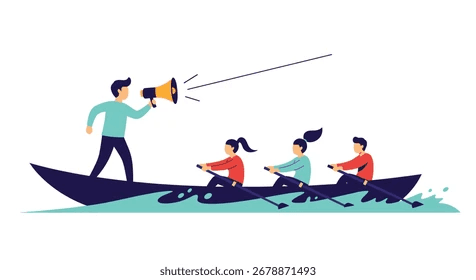
Give clear commands to the crew so they know what to do.
Give clear commands to the crew so they know what to do.
Give clear commands to the crew so they know what to do.
Docking and getting ashore is one of the hardest parts of the session — especially if it's choppy or if participants are inexperienced.
Docking and getting ashore is one of the hardest parts of the session — especially if it's choppy or if participants are inexperienced.
Docking and getting ashore is one of the hardest parts of the session — especially if it's choppy or if participants are inexperienced.
Handle this calmly and methodically.
Handle this calmly and methodically.
Handle this calmly and methodically.
NOTE: When approaching the dock, go very carefully so you don't collide with other boats or the dock.
NOTE: When approaching the dock, go very carefully so you don't collide with other boats or the dock.
NOTE: When approaching the dock, go very carefully so you don't collide with other boats or the dock.
Make sure you are near the docks after the second exercise — there usually isn't much time left after this.
Make sure you are near the docks after the second exercise — there usually isn't much time left after this.
Make sure you are near the docks after the second exercise — there usually isn't much time left after this.
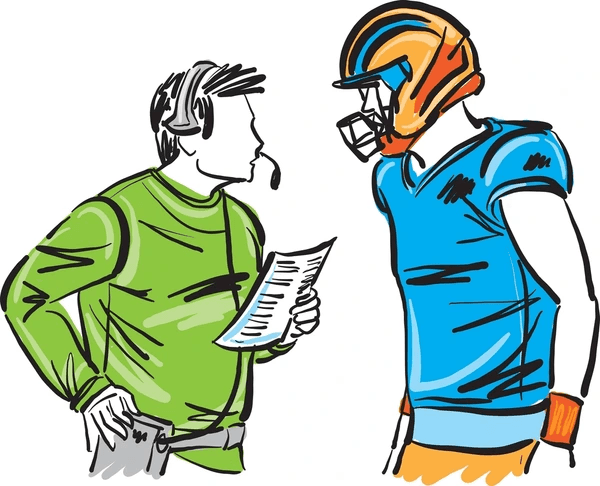
Focus on eliminating mistakes that affect the whole boat before addressing individual details.
Focus on eliminating mistakes that affect the whole boat before addressing individual details.
Focus on eliminating mistakes that affect the whole boat before addressing individual details.
1. Hold the oars correctly.
2. How to maintain balance in the boat.
3. How to correct balance if the boat leans too much.
1. Hold the oars correctly.
2. How to maintain balance in the boat.
3. How to correct balance if the boat leans too much.
1. Hold the oars correctly.
2. How to maintain balance in the boat.
3. How to correct balance if the boat leans too much.
Be friendly and professional. You take full command of your crew.
Be friendly and professional. You take full command of your crew.
Be friendly and professional. You take full command of your crew.
The key here is to act quickly and effectively.
The key here is to act quickly and effectively.
The key here is to act quickly and effectively.
Try to make this fun so it doesn't feel stiff.
Try to make this fun so it doesn't feel stiff.
Try to make this fun so it doesn't feel stiff.
If you remember their names, use them — it makes a big difference and makes them feel seen.
If you remember their names, use them — it makes a big difference and makes them feel seen.
If you remember their names, use them — it makes a big difference and makes them feel seen.
Music changes everything.
Music changes everything.
Music changes everything.
If it's raining heavily, the wind is stronger than 18mph or 8 mps, or there is a high risk of thunderstorms, it is not worth the risk to go out with beginners.
If it's raining heavily, the wind is stronger than 18mph or 8 mps, or there is a high risk of thunderstorms, it is not worth the risk to go out with beginners.
If it's raining heavily, the wind is stronger than 18mph or 8 mps, or there is a high risk of thunderstorms, it is not worth the risk to go out with beginners.
Be on time and prepare the session, preferably 25-20 minutes before, but at least 15 minutes before.
Be on time and prepare the session, preferably 25-20 minutes before, but at least 15 minutes before.
Be on time and prepare the session, preferably 25-20 minutes before, but at least 15 minutes before.
The most important thing is to arrive on time.
The most important thing is to arrive on time.
The most important thing is to arrive on time.





2
2
2
Carrying out the rowing session
Carrying out the rowing session
Carrying out the rowing session




3
3
3
Reflection and closing
Reflection and closing
Reflection and closing




How to Run a Session from Start to Finish
How to Run a Session from Start to Finish
How to Run a Session from Start to Finish
In this chapter, we’re going to talk about how to run a successful session from start to finish.
In this chapter, we’re going to talk about how to run a successful session from start to finish.
In this chapter, we’re going to talk about how to run a successful session from start to finish.
By the end of this video, I hope you’ll realize that it’s quite simple.
We have a lot to cover, so let’s get started right away!
By the end of this video, I hope you’ll realize that it’s quite simple.
We have a lot to cover, so let’s get started right away!
By the end of this video, I hope you’ll realize that it’s quite simple.
We have a lot to cover, so let’s get started right away!